
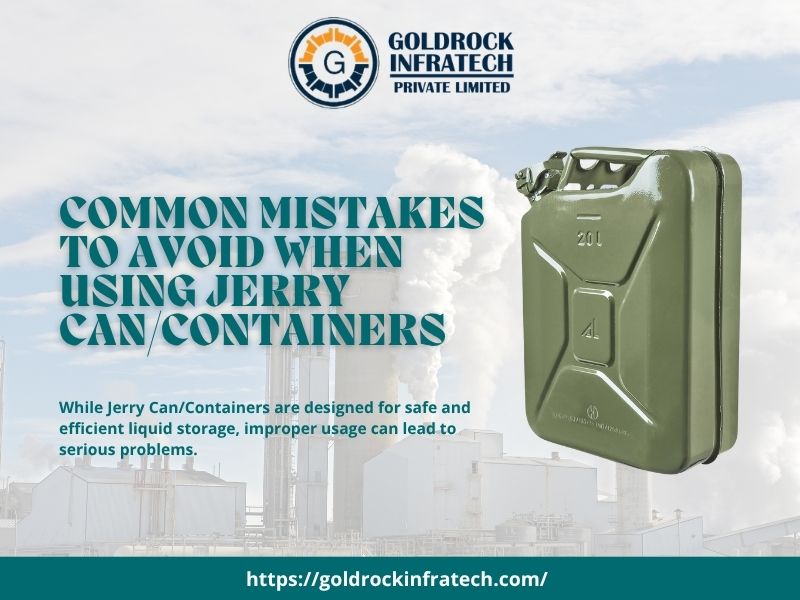
Jerry cans are widely used for storing and transporting liquids such as fuel, water, and chemicals. While they are designed for safety and convenience, improper usage can lead to serious risks, including leaks, contamination, and even accidents. Understanding the correct way to handle Jerry Can/Containers is essential for ensuring safety, efficiency, and long-term usability.
In this blog, we will discuss the most common mistakes people make when using Jerry Cans/Containers and how to avoid them.
1. Using the Wrong Type of Container
One of the most frequent mistakes is using the same container for different types of liquids without considering compatibility. Not all Jerry Can/Containers are suitable for every liquid.
- Fuel containers are designed to handle flammable substances.
- Water containers must be made from food-grade materials.
- Chemical storage requires specialized containers.
Using the wrong type can lead to contamination, material damage, or safety hazards.
2. Overfilling the Container
Overfilling is a common issue that can cause leakage and pressure buildup. Liquids like petrol expand when exposed to heat, and a filled container leaves no room for expansion.
Always leave some space inside the Jerry Can/Containers to allow for safe expansion and prevent spills during transportation.
3. Improper Sealing
A loosely closed cap or damaged seal can result in leaks and evaporation, especially when storing fuel. This not only leads to product loss but also creates fire hazards.
Ensure that:
- Caps are tightly secured
- Gaskets are in good condition
- The container is properly sealed after every use
A well-sealed Jerry Can/Containers is essential for safe storage.
4. Mixing Different Liquids
Using the same container for multiple liquids without proper cleaning is a serious mistake. Residues from previous contents can contaminate new liquids, affecting their quality and usability.
Always dedicate separate Jerry Can/Containers for:
- Fuel
- Water
- Chemicals
This prevents cross-contamination and ensures safety.
5. Storing in Unsafe Locations
Where you store your container matters as much as how you use it. Keeping Jerry Can/Containers in direct sunlight, near heat sources, or in poorly ventilated areas increases the risk of accidents.
For safe storage:
- Keep containers in a cool, shaded area
- Ensure proper ventilation
- Avoid placing them near flames or electrical equipment
6. Ignoring Regular Inspection
Many users neglect to inspect their containers regularly. Over time, wear and tear can lead to cracks, weakened seals, or corrosion.
Before using Jerry Can/Containers, check for:
- Visible damage or cracks
- Loose caps or faulty seals
- Signs of rust or material degradation
Regular inspection helps prevent unexpected leaks and failures.
7. Using Low-Quality or Uncertified Containers
Choosing cheap or uncertified containers is a major mistake that compromises safety. Such containers may not meet the required standards for storing flammable or hazardous liquids.
High-quality Jerry Can/Containers that meet certifications like BIS or TÜV are tested for durability, leak resistance, and safe handling. Investing in certified products ensures reliability and compliance with safety standards.
8. Improper Transportation
Transporting liquid-filled containers without securing them properly can lead to spills and accidents. Movement, vibration, or tipping during transit increases the risk of leakage.
To avoid this:
- Keep Jerry Can/Containers upright
- Secure them firmly in vehicles
- Avoid placing them in unstable positions
Proper handling during transportation is essential for safety.
9. Not Using Proper Pouring Accessories
Pouring liquid directly from a container without a proper spout or funnel often results in spills and wastage.
Using the correct accessories with Jerry Can/Containers helps:
- Control the flow of liquid
- Reduce spillage
- Improve handling efficiency
This is especially important when dealing with fuel or hazardous liquids.
10. Poor Cleaning and Maintenance
Neglecting cleaning can lead to residue buildup, odor retention, and contamination. This is particularly important when containers are reused.
Clean Jerry Can/Containers regularly using appropriate methods depending on the type of liquid stored. Proper maintenance ensures long-term usability and safety.
Conclusion
While Jerry Can/Containers are designed for safe and efficient liquid storage, improper usage can lead to serious problems. Avoiding common mistakes such as overfilling, poor sealing, improper storage, and using low-quality containers can significantly enhance safety and performance.
By following best practices and choosing certified, high-quality containers, you can ensure reliable storage and transportation of liquids for both personal and commercial use.